


About the job:
What you do
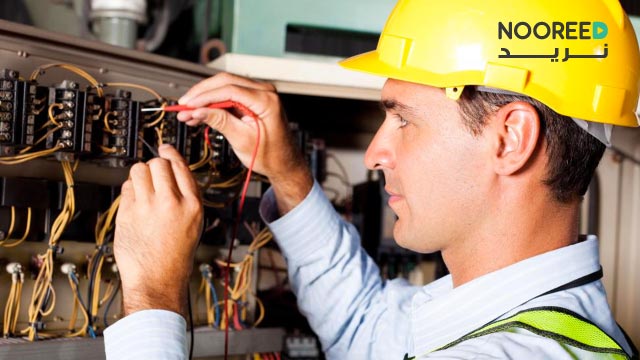
As an Electrical Engineer, your job is to supervise, plan, and design the creation and blueprints of electronics. You must use your skills in math, physics, and other related subjects in order to make the best predictions, which will yield the best results. It is also useful for you to examine complaints that clients may get about a certain product, and figure out what is technically lacking so you can make adjustments in how it works.
The tough stuff
The challenges of an Electrical Engineer are:
- It may be hazardous, since you risk being exposed to electrical shock
- It requires a lot of hands-on work experience outside of academic learning
The cool stuff
The rewards of being an Electrical Engineer are:
- A relatively high salary
- A wide range of different career options
Typical work hours
- 40 hours a week
- 10-20% nights & weekends
You work normal hours but you may need to work longer in order to meet deadlines
Are you the right fit?
Classes you should be good at
- Math
- Physics
- IT
Best high school track(s)
- General Sciences
Personal qualities
- Dexterity (hands and fingers)
- Mathematical Reasoning
- Good With Numbers
- Reasoning & Problem Solving
Will you make money?
Please login to view more info.
LOGIN
LOGIN
Education stuff:
Education required
- A Bachelor's Degree in electrical engineering, electronics engineering, electrical engineering technology, or a related engineering field.
- Electrical and electronic engineers may advance to supervisory positions in which they lead a team of engineers and technicians. Some may move to management positions, working as engineering or program managers.
Online education resources

Local universities


International universities